Iran is home to a remarkable diversity of ethnic, linguistic, and religious communities whose histories predate the modern state by thousands of years. The entries below sketch the principal communities and their relationship to the patterns of repression and resistance that define their experience under the Islamic Republic. Iran publishes no official ethnic census data; population figures are estimates drawn from academic and demographic sources.
Persians
Also known as Iranians (colloquially) · Farsis
LanguageIndo-European · Western Iranian (Farsi)
Population35 to 40 million in Iran
RegionsTehran, Isfahan, Fars, Khorasan, Kerman
ReligionShia Islam (majority) · Zoroastrianism · Secular
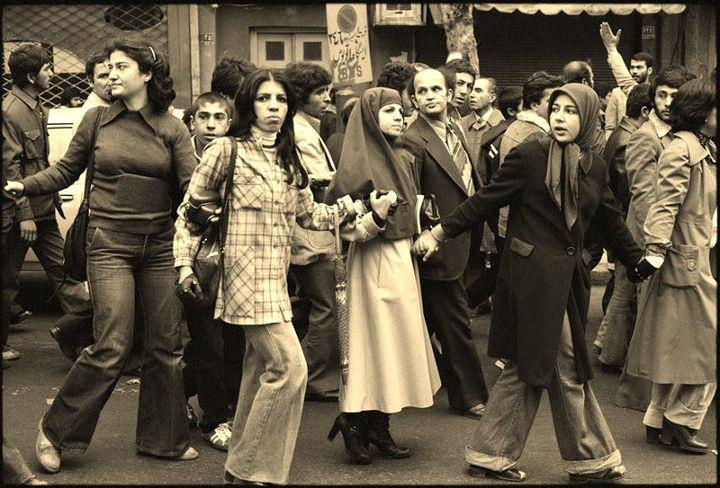
The dominant ethnic group, roughly 50 to 60% of the population, providing the cultural, linguistic, and political framework of the state; Farsi is the sole official language of education, law, and media, and Persian literary culture from Ferdowsi to Hafez remains a source of pride across ethnic lines. Persian secular, feminist, and dissident communities have led every democratic movement from the Constitutional Revolution to Woman Life Freedom, and the regime targets any challenge to clerical authority regardless of ethnicity.
Azerbaijanis
Also known as Iranian Azeris · Turks of Iran
LanguageTurkic · South Oghuz
Population15 to 20 million in Iran
RegionsEast & West Azerbaijan, Ardabil, Zanjan, Tehran
ReligionShia Islam (majority)
The largest ethnic minority and second-largest group overall, an estimated 20 to 25% of the population. Predominantly Shia, Azerbaijanis have seen greater integration at the elite level, and Supreme Leader Khamenei is himself of Azerbaijani origin. Cultural rights are nonetheless systematically denied: the Azerbaijani language is not taught in schools, publication is restricted, and activists advocating mother-tongue education have been arrested under laws criminalizing supposed separatism.
Kurds
Also known as Iranian Kurds
LanguageIndo-European · Northwestern Iranian
Population8 to 12 million in Iran
RegionsKurdistan, Kermanshah, Ilam, West Azerbaijan
ReligionSunni Islam · Yarsanism · Shia (minority)
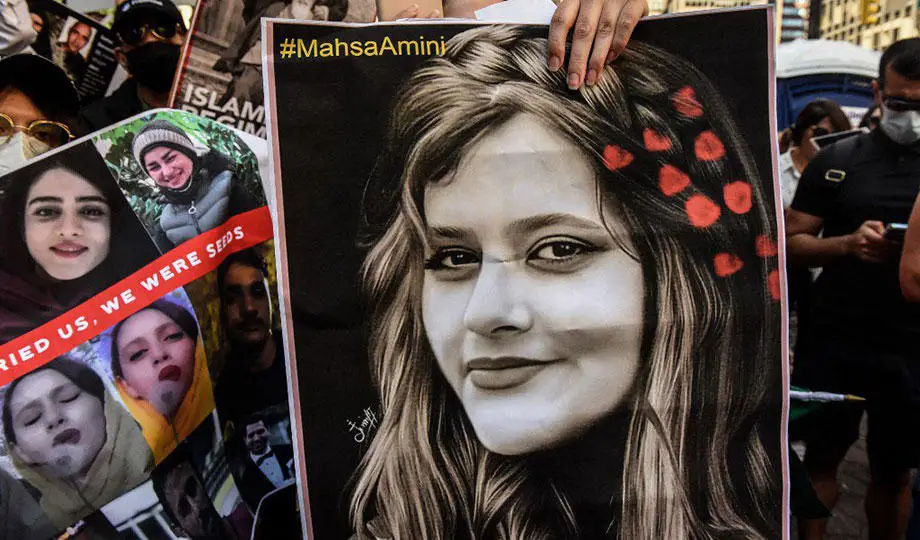
Part of the world's largest stateless people, Iranian Kurds are mostly Sunni, a double minority in the Islamic Republic's framework, and the short-lived 1946 Republic of Mahabad remains a foundational symbol of Kurdish national consciousness. Kurdistan has seen near-continuous armed conflict since 1979, Kurdish-language education is entirely prohibited, and kolbars carrying goods across mountain passes are shot by border guards. Mahsa Amini, whose killing ignited the 2022 uprising and its Kurdish slogan Jin, Jiyan, Azadi, was Kurdish.
Arabs
Also known as Khuzestani Arabs · Ahvazi Arabs
LanguageAfro-Asiatic · Semitic · Arabic
Population4 to 6 million in Iran
RegionsKhuzestan (Ahvaz), Hormozgan, Bushehr
ReligionShia Islam (majority) · Sunni (minority)
Concentrated in Khuzestan, which sits atop the majority of Iran's oil and gas reserves, Ahvazi Arabs live with some of the starkest structural discrimination in the country: extraordinary resource wealth beside deep poverty, intense surveillance, and economic marginalization. Political, cultural, and environmental activists have faced systematic arrest, torture, and execution, and the 2021 protests over water scarcity were met with lethal force.
Baloch
Also known as Baluchi
LanguageIndo-European · Northwestern Iranian
Population2 to 3 million in Iran
RegionsSistan-Baluchestan Province
ReligionSunni Islam (Hanafi)
Inhabiting Iran's largest province and its poorest by almost every measure, the Baloch are Sunni, non-Persian, geographically peripheral, and economically marginalized at once, with some of the country's highest rates of poverty, malnutrition, and child mortality. Amnesty International and Iran Human Rights document that Baloch prisoners constitute a majority of drug-related executions despite the community representing under 3% of the population, and collective punishment following armed attacks is extensively recorded.
Turkmen
Also known as Iranian Turkmen · Yomut · Teke
LanguageTurkic · Northern Oghuz
Population1.5 to 2 million in Iran
RegionsGolestan, North Khorasan (Turkmen Sahra)
ReligionSunni Islam (Hanafi)
Tribal confederations of the steppe along the Caspian's southeastern shore, renowned for a carpet-weaving tradition of bold geometry in deep reds that is among the most recognized art forms of the Turkic world. The Turkmen Sahra mounted armed resistance immediately after 1979 before suppression by Revolutionary Guard operations. Naqshbandi Sufi sheikhs face periodic waves of arrest, the language is excluded from education, and ties to Turkmenistan are treated with suspicion by intelligence services.
Lurs
Also known as Lor · Luri people
LanguageIndo-European · Southwestern Iranian
Population4 to 6 million in Iran
RegionsLorestan, Kohgiluyeh, Boyer-Ahmad, Chaharmahal
ReligionShia Islam
A western Iranian people of the Zagros whose pastoral, transhumant herding traditions the Pahlavi state sought to eradicate through forced settlement. As Shia Muslims speaking a language close to Persian, Lurs occupy a more integrated position than Sunni or Turkic minorities, yet Luri regions remain among the most underdeveloped in Iran, and security responses to protests in Lorestan in 2019 and 2022 were documented as particularly violent, with multiple killings.
Armenians
Also known as Iranian Armenians · Hay
LanguageIndo-European · Armenian (independent branch)
Population100,000 to 150,000 in Iran
RegionsTehran, Isfahan (Jolfa), Urmia area
ReligionArmenian Apostolic Christianity
Present in Iran for over two thousand years, with the Jolfa quarter of Isfahan established under Shah Abbas I in the early seventeenth century. Recognized under Article 13 with two reserved Majles seats and their own schools and churches, the community has nonetheless declined from roughly 250,000 at the Revolution to under 150,000 through emigration. The proselytization ban confines the faith, conversion from Islam is punishable by death, and institutions operate under close surveillance.
Assyrians
Also known as Syriac Christians · Chaldeans
LanguageSemitic · Northeastern Neo-Aramaic
Population15,000 to 30,000 in Iran
RegionsTehran, Urmia (West Azerbaijan)
ReligionAssyrian Church of the East · Chaldean Catholic · Syriac Orthodox
Among the region's oldest continuous inhabitants, descendants of ancient Mesopotamia still speaking Neo-Aramaic dialects directly descended from the language of the Assyrian Empire. Devastated by the Seyfo, the Assyrian genocide of 1914 to 1918, and diminished by a century of displacement, the community has fallen from an estimated 100,000 in 1979 to a fraction of that today, making demographic attrition an existential concern under the same anti-proselytization laws and surveillance that constrain all Iranian Christians.
Jews
Also known as Persian Jews · Yahudi
LanguagePersian and Judeo-Persian · Hebrew (liturgy)
Population8,000 to 15,000 in Iran
RegionsTehran, Isfahan, Shiraz, Yazd, Kerman
ReligionJudaism (various traditions)
One of the world's oldest continuous Jewish communities, present for over 2,700 years and predating the destruction of the First Temple; it was Cyrus the Great whose decree permitting return to Judea is recorded in the Hebrew Bible. From roughly 80,000 to 100,000 at the 1979 Revolution, the community has declined catastrophically to a small remnant. Constitutionally protected yet ideologically suspect under the state's conflation of Judaism with Zionism, several Iranian Jews have been executed on espionage charges widely regarded as politically motivated.
Bahais
Also known as the Bahá'í community of Iran
LanguagePersian (primary)
Population300,000 to 350,000 in Iran
RegionsNationwide: Tehran, Isfahan, Shiraz, Yazd
ReligionBahá'í Faith (not recognized by the state)
Iran's largest non-Muslim religious minority and its most severely persecuted. Because the faith originated in Iran in the nineteenth century and claims a prophetic revelation after Muhammad, the state treats it as apostasy, and Bahais have no constitutional recognition or legal standing. Over 200 were executed in the Republic's first decade, including two successive National Spiritual Assemblies, students are banned from universities, and the community's informal university, the BIHE, is repeatedly raided and its teachers imprisoned.
Yarsanis
Also known as Ahl-e Haqq · Kaka'i · People of Truth
LanguageGorani dialect · Kurmanji · Persian
Population500,000 to 2 million (estimates vary widely)
RegionsKermanshah, Kurdistan, Ilam, Lorestan
ReligionYarsan (syncretic indigenous religion)
Followers of one of Iran's most distinctive indigenous traditions, rooted in Kurdistani spiritual culture and centered on divine manifestation across successive human forms and on the sacred tanbur lute as a vehicle of spiritual experience. The state does not recognize Yarsan: followers are classified as Muslims regardless of their own self-identification, exposing them to apostasy penalties if they identify publicly, and the destruction and desecration of Yarsan sacred sites is documented by Kurdish human rights organizations.