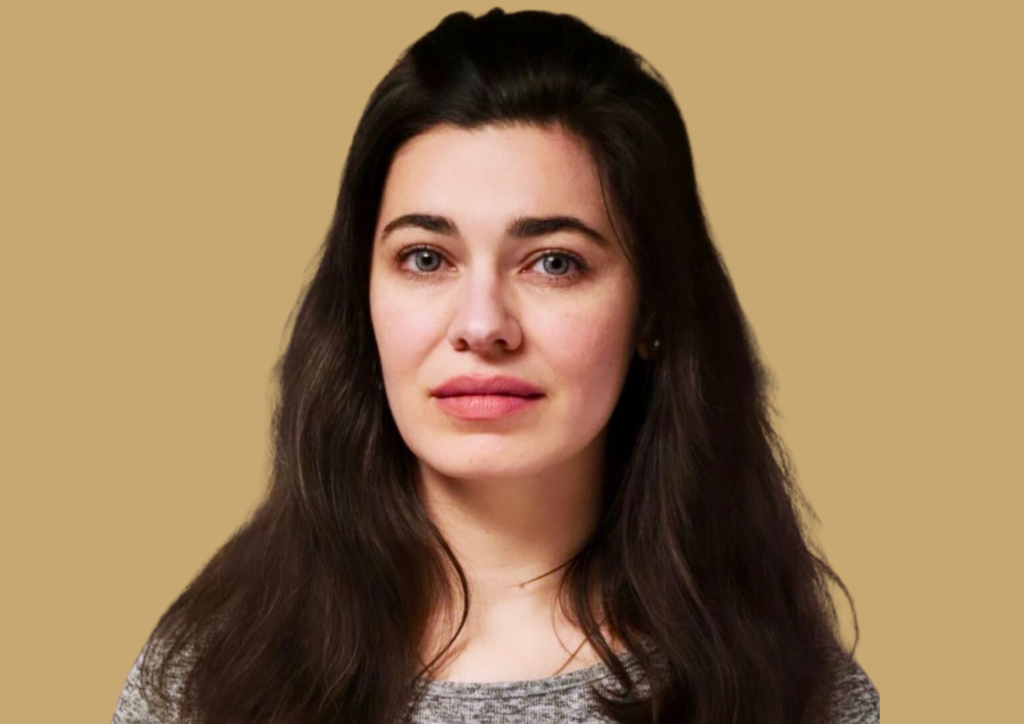
My name is Gazelle Sharmahd I’m your Dossier Leader

Gazelle Sharmahd is a human rights activist and the daughter of Jamshid Sharmahd, a German-American national of Iranian descent who was kidnapped from the UAE in 2020 by Iranian agents and has been held as a prisoner in Iran ever since. He was targeted for his activism, journalism, and his outspoken criticism of the Iranian regime. In February 2023, he was sentenced to death for “corruption on earth” following a grossly unfair trial. Since her father’s kidnapping and sentencing, Sharmahd has emerged as a leading advocate for human rights in Iran. In February 2024, Sharmahd launched the #CutTheRope campaign in response to her father’s plight and the alarming surge in executions within Iran. Through #CutTheRope, Sharmahd encourages individuals worldwide to stand in solidarity, demanding an end to the cycle of state-sanctioned executions in Iran.

Play Now

65d4522e-d265-4a1d-a096-0a4b69686b09-1020x685GettyImages-1243850791-e1665755546742
Iran: Region History
Conflict Analysis & Human Rights

Iran: Region History

Middle East & Central Asia Desk Iranian Peoples Dossier

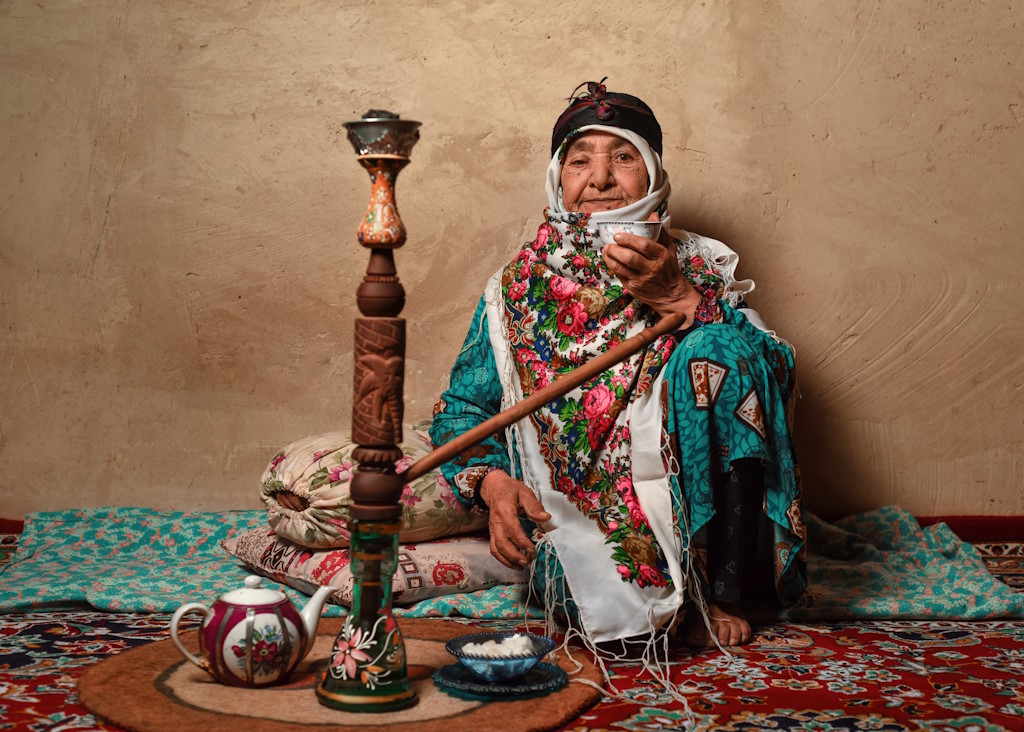
Iran is one of the world's oldest continuous civilizations and among its most ethnically diverse nation-states. The territory of modern Iran has served for millennia as a crossroads of migration, empire, and cultural exchange — producing a population in which Persians share the land with Azerbaijanis, Kurds, Arabs, Baloch, Turkmen, Lurs, Armenians, Assyrians, and dozens of smaller communities. Yet the Islamic Republic, established in 1979, has governed this diversity through a framework of Shia Persian cultural supremacy that has systematically suppressed minority languages, identities, and political aspirations. The result is a country whose extraordinary human richness exists in permanent tension with a state apparatus designed to deny much of it recognition, expression, or legal protection.


Empires, Identity, and the Making of Modern Iran

The territory of Iran has been the seat of successive empires — Elamite, Achaemenid, Parthian, Sassanid, and later the Safavid, Afsharid, Zand, and Qajar dynasties — each of which governed a multiethnic and multilingual population through administrative frameworks that varied substantially in their treatment of non-Persian and non-dominant communities. The Achaemenid Empire, at its height in the fifth century BCE, was perhaps the ancient world's most deliberate experiment in multiethnic governance, with administrative records preserved at Persepolis documenting the use of multiple languages and the accommodation of diverse religious practices across its vast territory.

The Safavid dynasty (1501–1736) was transformative in establishing Twelver Shia Islam as the state religion of the Iranian plateau — a decision with profound long-term consequences for the treatment of Sunni Muslim minorities including Kurds, Baloch, Turkmen, and Arabs, who found themselves on the wrong side of the sectarian boundary that the Safavids drew through the region. The conversion of the Iranian population to Shia Islam, often conducted through coercion, created a confessional identity that became inseparable from Iranian state nationalism in subsequent centuries.

The Constitutional Revolution and the Politics of Inclusion

The Constitutional Revolution of 1905–1911 represented a genuine moment of potential multiethnic civic inclusion, with Kurdish, Azerbaijani, Arab, and Armenian representatives participating in the new Majles alongside Persian nationalists. However, the subsequent Pahlavi dynasty (1925–1979) pursued a vigorous program of Persian cultural nationalism that suppressed minority languages in education and public life, banned tribal dress, forcibly settled nomadic communities, and constructed a national identity rooted in a mythologized pre-Islamic Persian past that erased the contributions and distinctiveness of non-Persian peoples.

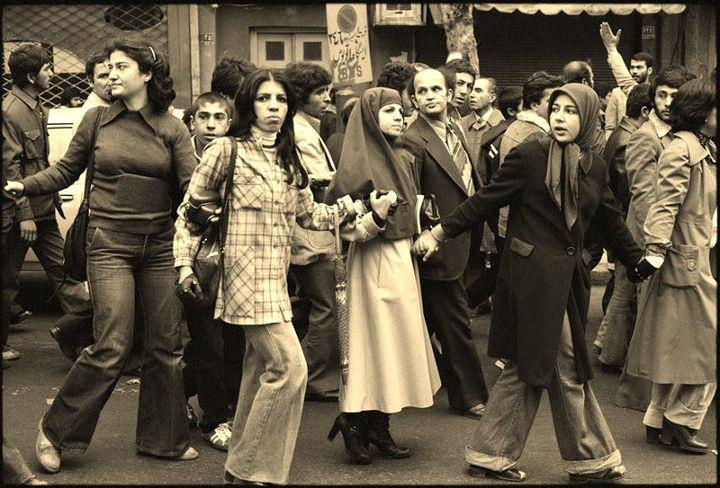
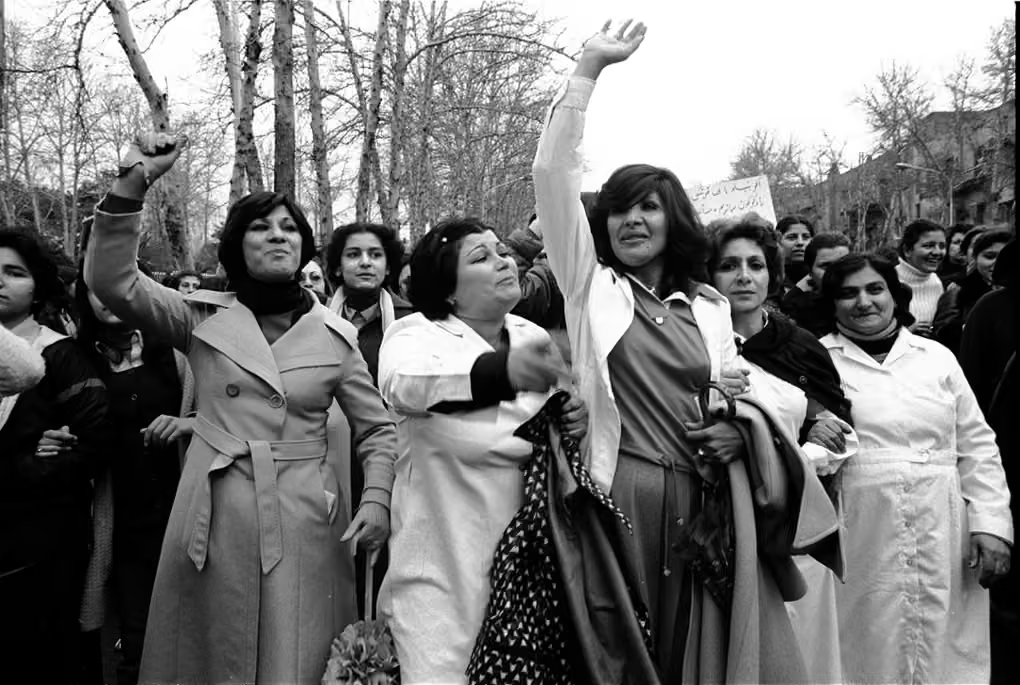
The 1979 Islamic Revolution replaced Pahlavi Persian nationalism with a different but equally exclusionary framework — one in which Shia Islamic identity replaced pre-Islamic Persianism as the marker of full citizenship, while ethnic minority identities remained subordinated to the new theocratic state's vision of an undifferentiated Muslim community. Kurdish autonomy movements were suppressed with immediate and brutal force. Arab, Baloch, and Turkmen aspirations for cultural recognition were denied. The revolution's promise of liberation applied, in practice, primarily to those who conformed to its Shia Persian cultural template.

Iran is not a nation-state that happens to have minorities. It is a multinational state that has spent a century pretending to be a nation-state. Every attempt to enforce that fiction has produced violence.

— Academic researcher, Middle East Studies Association Annual Conference, 2019

Structural Discrimination Under the Islamic Republic

The Constitution of the Islamic Republic of Iran contains provisions nominally protecting minority religious and linguistic rights — Article 15 permits the use of regional languages in media and education alongside Persian, and Articles 13 and 14 recognize Zoroastrians, Jews, and Christians as protected religious minorities. In practice, these provisions have been selectively and minimally implemented, while a broader architecture of legal discrimination has systematically disadvantaged non-Persian ethnic groups, Sunni Muslims, and unrecognized religious minorities including Bahais, Mandaeans, and Yarsanis.

Senior government and military positions are overwhelmingly held by Shia Persian men, with ethnic minority representation limited to largely ceremonial roles. Regional development investment has consistently favored ethnically Persian provinces over Kurdistan, Sistan-Baluchestan, Khuzestan, and other minority-majority areas, producing stark disparities in infrastructure, education, healthcare, and economic opportunity that UN special rapporteurs have documented as structurally discriminatory. Cultural and linguistic expression — the publication of books in Kurdish, the teaching of Azerbaijani in schools, the performance of Balochi music in public — has been intermittently criminalized or harassed, depending on the political temperature of the moment.

The Security State and Ethnic Regions

Iran's ethnic minority regions — particularly Kurdistan, Khuzestan, Sistan-Baluchestan, and the Turkmen Sahra — have been governed with a significantly heavier security presence than ethnically Persian areas, reflecting the Islamic Republic's equation of ethnic minority identity with potential separatism and foreign-backed subversion. The Revolutionary Guards Corps (IRGC) maintains substantial deployments in all major minority regions, and intelligence operations targeting community leaders, journalists, teachers, and cultural activists are extensively documented by human rights organizations including Amnesty International, Human Rights Watch, and the Iran Human Rights Documentation Center.

Cross-border ethnic ties — Kurdish communities spanning Iran, Iraq, Turkey, and Syria; Baloch communities spanning Iran and Pakistan; Azerbaijanis linked to the Republic of Azerbaijan — are treated by the Islamic Republic as inherent security vulnerabilities and potential vectors of foreign interference, justifying surveillance, restriction of movement, and preemptive detention of individuals whose only offense is maintaining cultural or familial connections across an international boundary.


Communities of Iran: An Ethnic Encyclopedia

Iran is home to a remarkable diversity of ethnic, linguistic, and religious communities whose histories predate the modern state by thousands of years. The entries below provide a structured reference to Iran's principal communities — their origins, languages, social organization, geographic distribution, and relationship to the patterns of repression and resistance that have defined their experience under the Islamic Republic. Population figures are estimates drawn from academic and demographic sources; Iran does not publish official ethnic census data, and independent research is conducted under significant constraint.

Persians
Also known as: Iranians (colloquially) · Farsis

Persians are the dominant ethnic group in Iran, constituting approximately 50–60% of the population and providing the cultural, linguistic, and political framework of the modern state. The Persian language — Farsi — is the sole official language of the Islamic Republic, the medium of education at all levels, and the language of government, law, and media. Persian literary culture, stretching from the Shahnameh of Ferdowsi through the poetry of Rumi, Hafez, and Saadi to modern literature, represents one of the world's great continuous literary traditions and remains a source of profound national pride across ethnic lines.

Persian identity is not monolithic — significant regional variations exist between the Tehranis of the capital, the Isfahanis of the central plateau, the Khorasanis of the northeast, and the Shirazi culture of Fars province. Urban secular Persians have frequently been at the forefront of Iran's democratic and civil rights movements, including the Constitutional Revolution, the 1979 Revolution, the 2009 Green Movement, and the 2022 Woman Life Freedom uprising.

Rights Context Persians as an ethnic group occupy the position of state-favored majority, but Persian secular, feminist, LGBTQ+, and dissident communities face severe repression under the Islamic Republic's theocratic framework. The 2022–2023 uprising, sparked by the killing of Kurdish-Iranian woman Mahsa Amini by the morality police, united Persian and minority communities in the most sustained challenge to the Islamic Republic in its history.
Azerbaijanis
Also known as: Iranian Azeris · Turks of Iran · Azerbaijani Iranians

Azerbaijanis are the largest ethnic minority in Iran and the second-largest ethnic group overall, constituting an estimated 20–25% of the total population. They speak a Turkic language closely related to — but distinct from — the Azerbaijani spoken in the Republic of Azerbaijan to the north. Unlike many of Iran's Sunni minorities, Iranian Azerbaijanis are predominantly Shia Muslim, which has historically afforded them greater integration into the Islamic Republic's political framework; several prominent figures in the revolution and subsequent government, including Supreme Leader Ali Khamenei, are of Azerbaijani origin.

Despite this relative integration at the elite level, Azerbaijani cultural rights have been systematically denied. The Azerbaijani language is not taught in schools, publication in Azerbaijani is restricted, and cultural activists advocating for linguistic rights have been arrested and imprisoned. A vibrant civil society movement for Azerbaijani cultural rights has persisted for decades, periodically expressed in large-scale street protests — most notably in 2006, when hundreds of thousands demonstrated after a government newspaper published a cartoon widely seen as depicting Azerbaijanis as cockroaches.

Rights Context Azerbaijani cultural activists, journalists, and educators advocating for mother-tongue education and linguistic rights have faced arrest, prosecution, and imprisonment under laws criminalizing activities deemed separatist or threatening to national unity. The Iranian government's simultaneous promotion of pan-Shia identity and suppression of Turkic cultural expression creates a distinctive form of discrimination targeting Azerbaijani identity specifically.
Kurds
Also known as: Iranian Kurds · Kurd (کورد)

The Kurds of Iran form part of the larger Kurdish people distributed across Turkey, Iraq, Syria, and the diaspora — together constituting the world's largest stateless ethnic group, with an estimated 30–40 million people. Iranian Kurds are primarily Sunni Muslim, which places them in a double minority position — ethnically non-Persian and religiously non-Shia — within the Islamic Republic's framework. Kurdish political aspirations for autonomy or independence have deep historical roots: the short-lived Republic of Mahabad in 1946 remains a foundational symbol of Kurdish national consciousness.

Kurdish society in Iran is organized around tribal structures, though urbanization has significantly altered social patterns in recent generations. Kurdish literary and cultural production — in Kurmanji, Sorani, and Gorani dialects — is rich and historically significant, but formal education in Kurdish is prohibited in Iran. Kolbars — Kurdish cross-border traders who carry goods on their backs across mountain passes due to lack of economic alternatives — are frequently shot by border guards in documented killings that human rights groups characterize as extrajudicial executions.

Rights Context Iranian Kurdistan has experienced near-continuous armed conflict since 1979, with the IRGC conducting military operations against Kurdish political parties including the KDPI and Komala. Executions of Kurdish political prisoners — conducted in disproportionate numbers relative to the Kurdish share of the population — are extensively documented. Mahsa Amini, whose killing triggered the 2022 uprising, was Kurdish, and the uprising's slogan "Jin, Jiyan, Azadî" (Woman, Life, Freedom) originates in Kurdish political culture.
Arabs
Also known as: Khuzestani Arabs · Ahvazi Arabs

Iranian Arabs are concentrated primarily in Khuzestan Province in southwestern Iran — a region known to the Arab world as Arabistan or Ahvaz — which sits atop the majority of Iran's oil and gas reserves. This coincidence of Arab demographic majority and extraordinary hydrocarbon wealth has made Khuzestan a site of particular strategic sensitivity for the Islamic Republic, and its Arab population has been subjected to intense surveillance, political suppression, and economic marginalization. The disproportion between Khuzestan's resource wealth and the poverty of its Arab population is among the starkest examples of structural ethnic discrimination in Iran.

Khuzestani Arab culture is rooted in tribal structures, agricultural and fishing traditions along the Karun and Arvand rivers, and a rich oral literary tradition expressed in the Arabic dialect of the region. The 1980–1988 Iran-Iraq War devastated Khuzestan — which bore the brunt of the fighting — destroying infrastructure and displacing hundreds of thousands of Arab civilians whose reconstruction needs were subsequently deprioritized by a government that viewed them with political suspicion.

Rights Context Ahvazi Arab political, cultural, and environmental activists have faced systematic arrest, torture, and execution. Protests over water scarcity and environmental destruction — Khuzestan's rivers and wetlands have been catastrophically damaged by upstream diversion projects — have been met with lethal force. In 2021 water protests, security forces killed multiple demonstrators. Arab cultural organizations and media outlets are routinely shut down and their organizers imprisoned.
Baloch
Also known as: Baluchi · Baluci

The Baloch of Iran inhabit Sistan-Baluchestan — the country's largest province by area and its poorest by almost every socioeconomic measure. Baloch communities span the Iran-Pakistan-Afghanistan tri-border region, and the Baloch people as a whole number approximately 10–15 million across these three countries, with no state of their own. In Iran, the Baloch occupy a uniquely disadvantaged position: they are Sunni rather than Shia, ethnically non-Persian, geographically peripheral, and economically marginalized in a province with some of the highest rates of poverty, malnutrition, child mortality, and unemployment in the country.

Baloch cultural life is organized around tribal structures, nomadic and semi-nomadic pastoralism, and a rich tradition of oral poetry and music. The Balochi language has a significant literary tradition but is entirely absent from formal education in Iran. Economic desperation has made many young Baloch men vulnerable to recruitment by armed groups or to the dangerous trade of fuel smuggling across the Pakistan border — a trade in which border guards have killed hundreds of documented civilians in recent years.

Rights Context Sistan-Baluchestan has been the site of armed conflict between the IRGC and groups including Jaish al-Adl for over a decade. The Islamic Republic executes Baloch individuals at rates dramatically disproportionate to their share of the population — Amnesty International and Iran Human Rights have documented that Baloch constitute a majority of drug-related executions despite representing less than 3% of the national population. Collective punishment of Baloch communities following armed attacks is extensively documented.
Turkmen
Also known as: Iranian Turkmen · Teke · Yomut

The Turkmen of Iran inhabit the Turkmen Sahra — the steppe and semi-arid plains along the Caspian Sea's southeastern shore and the border with Turkmenistan — and represent the westernmost extension of the Turkmen people whose majority lives in the Republic of Turkmenistan. Iranian Turkmen are organized into tribal confederations including the Yomut and Teke, each with distinct dialect variations, carpet-weaving traditions, and customary governance practices. Turkmen carpet weaving — featuring bold geometric patterns in deep reds and burgundies — is among the most recognized art forms of the Turkic world and remains an important livelihood for many Turkmen women.

The Turkmen are Sunni Muslim, which places them outside the Shia framework of the Islamic Republic's ideal citizen. The Turkmen Sahra experienced significant armed resistance immediately following the 1979 Revolution, with Turkmen political organizations demanding autonomy before being suppressed by Revolutionary Guard operations. Land confiscations — taking collectively managed tribal grazing land for state agricultural projects — dispossessed many Turkmen communities in the early revolutionary period, and the economic consequences have persisted across generations.

Rights Context Turkmen cultural activists, religious leaders (particularly Sufi sheikhs of the Naqshbandi order, widely followed among Turkmen), and political organizers have faced periodic waves of arrest and imprisonment. The Turkmen language is excluded from formal education. Cross-border cultural ties with Turkmenistan are treated with suspicion by Iranian intelligence services.
Lurs
Also known as: Lor · Luri people

The Lurs are a western Iranian people whose language — Luri — is closely related to Persian and Bakhtiari, forming a dialect continuum across the Zagros mountain range. They are divided into several sub-groups including the Bakhtiari (sometimes classified separately), the Mamasani, the Boyer-Ahmad, and the Kohgiluyeh, each with distinct tribal identities and territorial bases in the high mountain valleys of western Iran. Luri culture is deeply pastoral, organized around transhumant herding traditions in which tribes move their flocks seasonally between summer highland pastures and winter lowland grazing areas — a way of life that the Pahlavi government sought to eradicate through forced sedentarization.

As Shia Muslims speaking a language closely related to Persian, the Lurs occupy a more integrated position in the Islamic Republic's ethnic hierarchy than Sunni or Turkic minorities. However, Luri-speaking regions — particularly Lorestan — remain among Iran's most economically underdeveloped provinces, with high rates of poverty, unemployment, drug addiction (a legacy of proximity to opium transit routes), and environmental degradation caused by dam construction on the Zagros rivers that has flooded ancestral Luri villages and disrupted pastoral livelihoods.

Rights Context Luri communities have participated actively in Iran's protest movements, including the 2019 fuel subsidy uprising which began in Khuzestan and spread rapidly through Lorestan and other western provinces. Security force responses to protests in Luri areas have been documented as particularly violent, with multiple killings in Lorestan during both the 2019 and 2022 uprisings.
Armenians
Also known as: Iranian Armenians · Hay

Armenians have been present in Iran for over two thousand years, with a significant community established in Isfahan's Jolfa quarter by Shah Abbas I in the early seventeenth century — forcibly relocated from the Armenian city of Julfa in the Araxes valley as skilled artisans, merchants, and silk traders whose expertise the Safavid economy required. This history of both coerced migration and relative privilege has characterized Armenian experience in Iran across the centuries: a recognized and valuable community, but one whose status has always depended on the calculations of the ruling power rather than on rights-based protection.

Under the Islamic Republic, Armenians are recognized as a protected religious minority under Article 13 of the constitution, with two reserved seats in the Majles and the right to operate Armenian-language schools and churches. In practice this recognition coexists with significant restrictions — the proselytization ban effectively prevents Christians from sharing their faith with Muslims, conversion from Islam to Christianity is punishable by death, and Armenian community institutions operate under close government surveillance. The population has declined sharply through emigration since 1979.

Rights Context While Armenians face less acute physical persecution than Sunni minorities, the systematic pressure of living as a Christian minority in an Islamic theocracy — combined with economic decline and political repression unrelated to ethnicity — has driven significant emigration. The Armenian population of Iran has declined from an estimated 250,000 at the time of the Revolution to under 150,000 today.
Assyrians
Also known as: Syriac Christians · Chaldeans · Nestorians

The Assyrians of Iran are among the oldest continuous inhabitants of the region — descendants of the ancient civilizations of Mesopotamia and the northern Fertile Crescent, speaking dialects of Neo-Aramaic directly descended from the language of the ancient Assyrian Empire. Their presence in northwestern Iran, particularly around Lake Urmia, dates back millennia. They are one of the most severely diminished minority populations in the country, having experienced devastating losses during the Seyfo — the Assyrian genocide of 1914–1918 — followed by continued displacement and emigration throughout the twentieth century.

Like Armenians, Assyrians are constitutionally recognized as a religious minority with a reserved Majles seat. Their community institutions — churches, schools, cultural organizations — operate under constant constraint. The Assyrian language is taught in community schools but has no official status. The community's most urgent challenge is demographic survival: emigration has reduced the Assyrian population in Iran from an estimated 100,000 in 1979 to a fraction of that today, with communities in Urmia, Tehran, and smaller towns continuing to shrink through outmigration to the diaspora.

Rights Context Assyrian Christians face the same structural constraints as Armenians — anti-proselytization laws, surveillance of religious institutions, and the fundamental insecurity of minority status in a theocratic state — compounded by the community's much smaller size, which makes demographic attrition an existential rather than merely demographic concern. Conversion to Christianity by Muslims within the community's orbit is treated as a capital offense.
Jews
Also known as: Iranian Jews · Persian Jews · Yahudi

Jews have lived in Iran for over 2,700 years — among the oldest continuous Jewish communities in the world, predating the destruction of the First Temple and the Babylonian exile from which many of their ancestors may have been liberated by Cyrus the Great, whose Achaemenid decree permitting Jewish return to Judea is recorded in the Hebrew Bible. Iranian Jewish civilization produced its own distinct literary tradition in Judeo-Persian — Persian written in Hebrew script — and a cultural synthesis unique in the Jewish world. At the time of the 1979 Revolution, Iran's Jewish community numbered approximately 80,000–100,000.

The Islamic Republic's constitutionally recognized protection of Jews as a religious minority coexists with a state ideology of virulent anti-Zionism that makes the position of Iranian Jews structurally precarious. Jewish Iranians are prohibited from holding senior government or military positions, face restrictions on employment in the judiciary and other state institutions, and live under the constant threat of being associated — however wrongly — with Israel's government in a state whose official ideology calls for Israel's elimination. The community has declined catastrophically through emigration to approximately 8,000–15,000 today.

Rights Context Iranian Jews occupy a uniquely exposed position — constitutionally protected as a religious minority but ideologically suspect due to the state's conflation of Judaism with Zionism. Several Iranian Jews have been executed on espionage charges widely regarded by human rights organizations as politically motivated. The community navigates its existence with extreme caution, maintaining public profiles that emphasize Iranian patriotism and distance from Israel.
Bahais
Also known as: Bahá'í Faith community · Bahá'ís of Iran

The Bahais are Iran's largest non-Muslim religious minority and its most severely persecuted. The Bahá'í Faith originated in Iran in the mid-nineteenth century from within Shia Islam — a fact that the Islamic Republic treats not as a mark of connection but as the gravest aggravation, since the Bahá'í claim to a prophetic revelation after Muhammad is considered apostasy under the Islamic Republic's interpretation of Islamic law. Unlike Christians, Jews, and Zoroastrians, Bahais have no constitutional recognition, no legal standing, and no protection from the full force of the state's religious persecution apparatus.

Bahais are excluded from universities, prohibited from government employment, barred from practicing many professions, and subject to having their businesses closed and their properties confiscated. Their cemeteries have been bulldozed, their community centers demolished, their marriages not legally recognized, and their dead denied burial in Iranian cemeteries. Over 200 Bahais were executed in the first decade after the Revolution. Since 1979, thousands have been imprisoned, and the community's informal educational system — the Bahá'í Institute for Higher Education (BIHE), created because Bahai students are banned from universities — has been repeatedly raided and its teachers imprisoned.

Rights Context The systematic persecution of Bahais meets the definition of religious persecution as a crime against humanity under the Rome Statute. UN Special Rapporteurs, Amnesty International, Human Rights Watch, and the US State Department have all documented the institutionalized nature of anti-Bahai discrimination. The persecution is not incidental — it is written into law, enforced by courts, and sanctioned at the highest levels of the Islamic Republic's religious authority.
Yarsanis
Also known as: Ahl-e Haqq · Kaka'i · People of Truth

The Yarsanis — followers of the Yarsan or Ahl-e Haqq tradition — practice one of Iran's most distinctive and least understood indigenous religious traditions, a syncretic faith rooted in Kurdistani spiritual culture that incorporates elements drawn from Shia Islam, Zoroastrianism, and older animist traditions. Yarsan theology centers on the concept of divine manifestation across successive human forms, the sanctity of music as a vehicle for spiritual experience, and a strong esoteric tradition transmitted through initiated masters. The use of the sacred lute (tanbur) in Yarsan ritual has made the instrument a symbol of the tradition and of Kurdish spiritual identity more broadly.

Yarsanis occupy a legally ambiguous and practically dangerous position in Iran. The Islamic Republic does not recognize Yarsan as a legitimate religion — followers are classified as Muslims by the state regardless of their own self-identification, which means they are subject to Islamic law's most severe penalties for apostasy if they publicly identify as Yarsani rather than Muslim. Yarsani community members who have sought civil status recognition, pursued legal marriages within their tradition, or publicly practiced their faith have faced arrest, harassment, and in documented cases, violence.

Rights Context Yarsanis face a combination of ethnic discrimination as Kurds and religious persecution as practitioners of an unrecognized faith. The destruction and desecration of Yarsan sacred sites — including the bulldozing of holy tombs and the conversion of communal religious spaces — has been documented by Kurdish human rights organizations. Yarsani conscripts in the Iranian military have been subjected to forced Islamic religious observance.

Crimes Against the Iranian People

The following section documents categories of crimes and systematic human rights violations committed by the Islamic Republic of Iran against its own population — with particular focus on ethnic and religious minority communities whose experiences of state violence have been compounded by the structural discrimination examined in this report. Entries draw on findings by the United Nations Human Rights Council, the UN Special Rapporteur on Iran, Amnesty International, Human Rights Watch, the Iran Human Rights Documentation Center, and survivor testimony gathered by diaspora advocacy organizations.

01
Extrajudicial & Judicial Killing
Mass Executions & Politically Motivated Death Sentences

Iran consistently ranks among the world's top executioners by absolute number. The Islamic Republic uses the death penalty at extraordinary rates, with ethnic and religious minorities — particularly Kurds, Baloch, Arabs, and Bahais — executed at rates disproportionate to their share of the population. Executions are carried out for crimes including drug trafficking, adultery, apostasy, moharebeh (enmity against God), and political charges framed as armed rebellion — categories that are applied selectively and punitively against minority community members.

The 1988 prison massacres — in which an estimated 4,000–5,000 political prisoners, overwhelmingly from the Mojahedin-e Khalq and left-wing organizations, were executed following secret death committee deliberations of minutes — remain the single largest mass killing in the Islamic Republic's history and have never been subject to any domestic investigation or accountability process.

Summer 1988 — Prison Massacres Death commissions operating on Khomeini's fatwa executed thousands of political prisoners across Iran's prisons in a matter of weeks. Families were not notified, bodies were buried in mass graves, and the Islamic Republic denied the massacres occurred for decades. Ebrahim Raisi — who served on the Tehran death commission — later became President of Iran.
2022–2023 — Uprising Executions Following the Woman Life Freedom uprising, the Islamic Republic executed multiple protesters on charges including moharebeh. Mohammad Mehdi Karami and Seyed Mohammad Hosseini were executed in January 2023 after trials that lasted less than 10 minutes, based on confessions their families stated were extracted under torture. International calls for clemency were ignored.
02
Torture & Cruel Treatment
Systematic Torture in Detention

Torture in Iranian detention facilities — including Evin Prison in Tehran, Rajai Shahr Prison in Karaj, and provincial intelligence ministry detention centers — has been documented across decades of reporting by human rights organizations and UN special rapporteurs. Methods documented include prolonged solitary confinement, sleep deprivation, flogging, suspension by limbs, mock execution, sexual violence including rape, forced administration of drugs, and psychological torment through threats against family members. Confessions extracted under torture are routinely used as primary evidence in trials.

Ethnic minority detainees — particularly Kurds, Arabs, and Baloch arrested in connection with political or cultural activities — are disproportionately held in unofficial detention facilities where access to lawyers is denied for extended periods, creating conditions in which torture is facilitated by the absence of oversight. The UN Special Rapporteur on Iran has documented torture as a systematic practice rather than aberrant misconduct.

2019 — Bloody November Detainees Following the November 2019 fuel subsidy protests — in which security forces killed an estimated 1,500 people in days — thousands were arrested. Amnesty International documented systematic torture of detainees including electric shock, forced stress positions, and sexual violence, with the objective of extracting confessions for broadcast on state television.
2022–2023 — Woman Life Freedom Detainees Thousands arrested during the uprising reported torture including beating, electric shock, rape, and sexual assault with objects in detention. Multiple deaths in custody were reported, with the government attributing them to suicide or pre-existing conditions. UN investigators documented at least eight deaths in custody with evidence of torture.
03
Unlawful Killing
Lethal Force Against Protesters & Civilians

The Islamic Republic has a documented pattern of using lethal force against civilian protesters, dating from the earliest suppressions of post-revolutionary opposition through the 2009 Green Movement, the 2019 Bloody November, and the 2022–2023 Woman Life Freedom uprising. Security forces — including the Basij paramilitary and IRGC units — have been documented firing live ammunition and birdshot into crowds, targeting medics and bystanders, and continuing to fire on protesters who are fleeing or already wounded.

Lethal repression has been most severe in ethnic minority regions. Sistan-Baluchestan, Kurdistan, and Khuzestan have consistently experienced higher per-capita killing rates during protest waves than ethnically Persian provinces, reflecting both the higher intensity of security responses in minority regions and the lower international attention that violence in peripheral areas receives.

November 2019 — Fuel Protests Amnesty International and Reuters documented approximately 1,500 killed in the space of days as security forces used automatic weapons against crowds across the country. Mahshahr in Khuzestan — an Arab-majority city — experienced some of the heaviest killing, with dozens reportedly surrounded in a marsh and shot. The internet was cut to suppress documentation.
September 2022 – January 2023 — Uprising Iran Human Rights and Amnesty International documented over 500 protesters killed in the Woman Life Freedom uprising, with the highest per-capita death tolls in Sistan-Baluchestan and Kurdistan. Zahedan's Bloody Friday (September 30, 2022) — in which IRGC forces fired on worshippers leaving a mosque — killed at least 90 people in a single incident.
04
Religious Persecution
Systematic Persecution of the Bahá'í Community

The Islamic Republic's persecution of Bahais is institutionalized in law, policy, and religious authority — making it qualitatively distinct from other forms of minority repression that may be inconsistently applied or subject to political fluctuation. The persecution of Bahais is consistent, comprehensive, and explicitly sanctioned by the highest levels of state religious authority. It affects every aspect of life — from birth registration and marriage to burial, from access to education and employment to the right to practice religious observance without criminal consequence.

The systematic nature of this persecution — its legal institutionalization, its multi-generational continuity, and its explicit goal of eliminating the community's capacity to sustain itself — meets the threshold for crimes against humanity under the Rome Statute's definition of "persecution against any identifiable group or collectivity on political, racial, national, ethnic, cultural, religious, gender" grounds as part of a widespread or systematic attack.

1980–1988 — Execution Campaign Over 200 Bahais were executed in the first decade of the Islamic Republic, including the entire nine-member National Spiritual Assembly of Iran in 1980 and its replacement body in 1981. Executions were carried out specifically for Bahai religious leadership and belief, constituting religiously motivated killing documented by the UN Special Rapporteur on Freedom of Religion.
2008–Present — BIHE Raids The Bahá'í Institute for Higher Education — created to provide university-level education to Bahai students banned from Iranian universities — has been repeatedly raided. Dozens of faculty members have been imprisoned for teaching. Students who complete BIHE degrees cannot use them within Iran. The campaign targets the community's ability to educate its own children.
05
Ethnic & Political Persecution
Repression of Kurdish Political, Cultural & Civil Life
~700 Kolbars (border traders) killed by security forces since 2010
~16% Of executions are Kurdish despite ~10% of population
0 Kurdish-language schools permitted in Iran
45+ Years of continuous armed conflict in Kurdish regions

The Islamic Republic's repression of Kurdish political and cultural life has been among the most sustained and documented patterns of ethnic persecution in the Middle East. Within weeks of the Revolution's success in February 1979, Khomeini ordered military operations against Kurdish political parties seeking autonomy — the KDPI and Komala — in a campaign that killed thousands of combatants and civilians and established the template for how the Islamic Republic would treat all expressions of Kurdish political identity: as armed rebellion to be suppressed with lethal force, regardless of the actual conduct of those targeted.

Kurdish civil society — teachers, journalists, lawyers, environmental activists, cultural workers — has been subjected to a continuous pattern of arrest and imprisonment under laws so broadly drafted that virtually any expression of Kurdish identity can be criminalized. Kurdish-language publishing, while not absolutely prohibited, operates under surveillance and harassment that makes genuine cultural production difficult. Kurdish political parties operating in exile in Iraqi Kurdistan are the targets of IRGC missile and drone strikes — including a January 2024 strike in Erbil that killed senior members of the KDPI and civilians.

The killing of kolbars — cross-border traders who carry goods on their backs across mountain passes because there are no legal economic alternatives in Iran's chronically underdeveloped Kurdish provinces — represents a particularly stark illustration of the relationship between structural economic marginalization and lethal state violence. Iran Human Rights Monitor has documented over 700 kolbar deaths since 2010, with border guards shooting individuals who pose no security threat. The killings continue with complete impunity.

September 1979 — Paveh and Sanandaj Within seven months of the Revolution, Khomeini declared Jihad against Kurdish political movements and ordered military operations across Kurdistan Province. Helicopter gunships, artillery, and ground forces were deployed against Kurdish towns. Summary executions of captured combatants and suspected sympathizers were documented by international journalists present during the operations.
January 2024 — IRGC Strike on Erbil The IRGC launched ballistic missile strikes on the Iraqi Kurdistan capital of Erbil, targeting the headquarters of the Kurdistan Democratic Party of Iran (KDPI) in exile. The strikes killed senior party members and civilians including children. Iraq condemned the attack as a violation of its sovereignty. No international accountability mechanism was triggered.
Ongoing — Kolbar Killings Iran Human Rights Monitor documents an average of 5–10 kolbar killings per month along the Kurdish border with Iraq. Guards receive no disciplinary consequences for these killings. Kurdish human rights organizations have petitioned the UN Human Rights Council to designate the killings as extrajudicial executions — a designation the Islamic Republic contests.
06
Gender-Based Persecution
Systematic Violation of Women's Rights & Gender Apartheid

The Islamic Republic of Iran operates a legal and social system that UN experts have characterized as gender apartheid — a comprehensive framework of laws and enforcement mechanisms that restricts women's freedom of movement, dress, employment, education, legal standing, and bodily autonomy on the basis of sex. The mandatory hijab law, enforced by the morality police (Gasht-e Ershad) and since 2022 by new surveillance and legal mechanisms, requires all women in public to cover their hair — a requirement that applies to foreign visitors as well as citizens and is enforced through fines, arrest, and detention.

Women face legal discrimination in divorce, inheritance, child custody, testimony, and blood money calculations that value a woman's life at half that of a man. The age of criminal responsibility for girls is nine lunar years — effectively meaning a nine-year-old girl can be executed under Iranian law while a thirteen-year-old boy cannot. The minimum age of marriage for girls is thirteen, with judicial permission for marriages of younger girls. These are not aberrations — they are the law as written and as enforced.

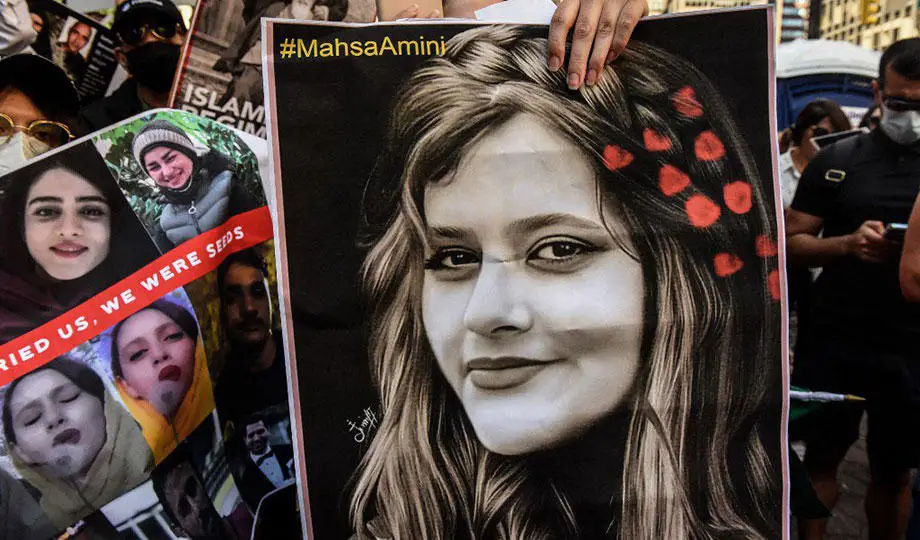
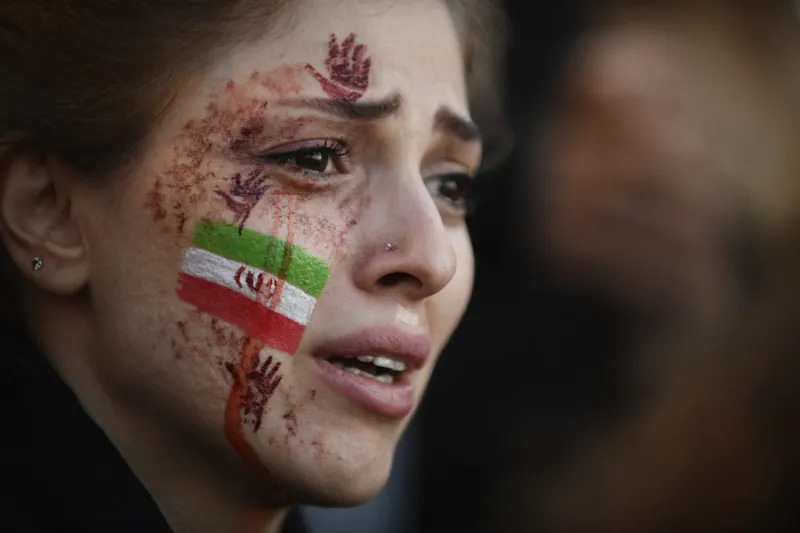
The Woman Life Freedom uprising — ignited by the September 2022 killing of Mahsa (Zhina) Amini, a 22-year-old Kurdish Iranian woman, in morality police custody — represented the most significant feminist revolt in the history of the Islamic Republic and arguably one of the most significant feminist uprisings in modern history. Women burned their headscarves in public, cut their hair at the graves of the dead, and organized strikes and protests across every province. The uprising was met with live ammunition, mass arrest, torture, and execution — and the mandatory hijab law remains in force.

September 16, 2022 — Death of Mahsa Amini Mahsa (Zhina) Amini, a 22-year-old Kurdish Iranian woman from Saqqez, died in morality police custody in Tehran after being arrested for alleged improper hijab. Medical evidence reviewed by forensic experts and documented by human rights organizations indicated injuries consistent with a blow to the head. The government claimed she died of a pre-existing heart condition. Her death triggered the Woman Life Freedom uprising.
2023–2024 — Chemical Attacks on Schoolgirls Hundreds of schoolgirls across Iran were hospitalized following suspected chemical attacks on their schools between late 2022 and 2023. Over 1,000 cases across multiple provinces were reported. Iranian officials initially denied the attacks, then attributed them to unidentified domestic actors. Human rights organizations noted the attacks concentrated on girls' schools and characterized them as gender-targeted terrorism.
07
Repression of Civil Society
Suppression of Press, Expression & Digital Rights
Top 5 Most censored internet globally (Freedom House 2023)
30+ Journalists imprisoned in 2022–2023 uprising alone
~180M Estimated VPN users — roughly all adult internet users

Iran operates one of the world's most comprehensive internet censorship and surveillance systems. Platforms including Instagram, WhatsApp, Twitter/X, Telegram (periodically), YouTube, and virtually all Western news media are blocked. The National Information Network — an intranet system designed to function if Iran is disconnected from the global internet — has been progressively built out to enable full disconnection from international communications infrastructure. During the 2019 and 2022 uprisings, authorities cut internet access entirely for periods of days to impede the documentation and coordination of protests.

Journalists, bloggers, social media users, and citizen documentarians have been arrested, tortured, and imprisoned for publishing information about protests, environmental disasters, official corruption, ethnic minority rights, and other topics the state classifies as sensitive. Photojournalist Yalda Moaiery and journalist Niloofar Hamedi — who was among the first to report on Mahsa Amini's hospitalization — were among those arrested during the 2022 uprising and held for extended periods. Foreign journalists are effectively prohibited from independent reporting in Iran.

November 2019 — Internet Shutdown Iran shut down the internet for 96 hours during the November 2019 protests — the near-total blackout covering approximately 80 million people. Netblocks and IODA documented the shutdown as among the most complete in any country's history. Human rights investigators believe the shutdown was timed to enable the mass killing of protesters with minimal international documentation.
2022–2023 — Journalist Arrests The Committee to Protect Journalists documented Iran as the world's leading jailer of journalists during the 2022–2023 uprising period. Niloofar Hamedi and Elaheh Mohammadi — reporters who covered Mahsa Amini's death — were charged with national security offenses and faced the death penalty before international pressure contributed to their eventual release.
08
Ethnic & Religious Persecution
Systematic Persecution of the Baloch Community
~20% Of all Iranian executions are Baloch (approx. 2–3% of population)
90+ Killed in Zahedan's Bloody Friday (September 2022)
#1 Poorest province — Sistan-Baluchestan (per World Bank estimates)

The Baloch of Sistan-Baluchestan represent perhaps the most acutely victimized ethnic community within Iran's borders — experiencing a convergence of extreme economic marginalization, disproportionate execution rates, collective punishment for armed group activities, and the near-total absence of cultural, political, and legal recognition. Balochi is not taught in schools. Baloch Sunni religious institutions are surveilled and restricted. Baloch political activists face execution under moharebeh charges at rates that Iran Human Rights has characterized as discriminatory and systematic.

The collective punishment dimension of security operations in Sistan-Baluchestan is particularly documented. Following attacks by Jaish al-Adl — a Baloch Sunni militant group — IRGC operations have killed civilians in reprisal operations, conducted mass arrests of community members with no demonstrated connection to the attackers, and executed Baloch prisoners already in custody as a form of deterrent punishment against the wider community. This pattern was most dramatically illustrated in the response to Zahedan's Bloody Friday.

September 30, 2022 — Zahedan Bloody Friday IRGC and security forces opened fire on worshippers leaving Friday prayers at Makki Mosque in Zahedan — the largest Sunni mosque in Iran — killing at least 90 people and wounding hundreds. The attack followed a protest against the alleged rape of a 15-year-old Baloch girl by a police commander. UN investigators characterized the killings as a possible crime against humanity. No prosecutions followed.
2023 — Mass Executions Iran executed dozens of Baloch individuals in 2023 — many convicted of drug offenses in trials lasting minutes without meaningful legal representation. Amnesty International documented cases in which defendants were executed after confessions extracted under torture, with no access to lawyers during interrogation and trials conducted in Persian rather than Balochi.

If you or your community have been affected by the events described in this report, we invite you to contribute to our documentation record.
IFC — Newsletter Signup

Copyright 2026, International Freedom Coalition. All Rights Reserved.